When a borrower completes a loan, paying the final EMI is an important milestone. However, the process may not end with the last payment. You may still need to confirm that the loan account has been officially closed and obtain a No Objection Certificate (NOC) or other applicable closure documents.
Knowing how to contact a bank about loan closure and NOC can help you complete the process properly and avoid problems later.
This is especially important for secured loans such as home loans and vehicle loans, where the lender may have an interest or charge connected with the financed asset.
What Is Loan Closure?
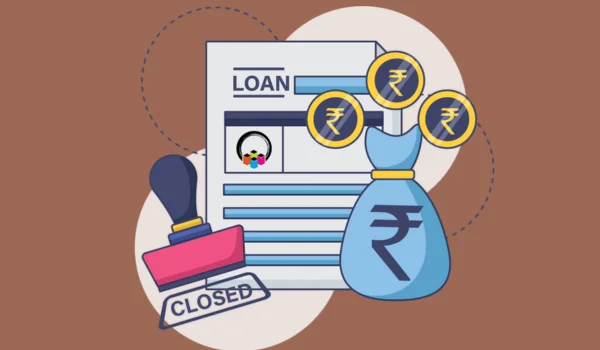
Loan closure means the lender has completed the necessary process to close the loan account after all applicable dues have been paid or otherwise settled according to the agreed terms.
Loan closure may happen after:
- Completion of all EMIs
- Full repayment before maturity
- Approved foreclosure
- Settlement under applicable arrangements
The exact process depends on the loan agreement and the lender.
Simply paying the final EMI does not always mean that every administrative closure step has been completed.
What Is an NOC?
NOC stands for No Objection Certificate.
In loan matters, an NOC generally confirms that the lender has no objection to the relevant closure or release after the applicable obligations have been completed.
The exact document and terminology can differ depending on the loan type.
An NOC may be important for:
- Vehicle loans
- Certain secured loans
- Property-related loan documentation
- Release of lender interest
- Other financing arrangements
Ask the bank which closure documents apply to your specific loan.
Why Is Loan Closure Important?
An active loan account can continue to create administrative problems if it is not properly closed.
After repayment, borrowers should verify:
- Loan account status
- Outstanding balance
- Final payment
- Closure date
- NOC or applicable closure document
- Release of security, where relevant
- Return of original documents, where applicable
- Updating of relevant records
Keeping these documents can be useful for future financial and legal requirements.
When Should You Contact the Bank?
You can contact the bank before making the final payment if you want to understand the closure process.
This is particularly useful if you are planning foreclosure or pre-closure.
Ask the bank:
- What is the total amount required for closure?
- Are there any applicable charges?
- Which documents will be issued?
- When will the loan account be marked closed?
- How will the NOC be provided?
- Are any original documents pending?
- Is any security release process required?
Getting the information beforehand can prevent surprises.
How to Contact the Bank About Loan Closure
Banks usually provide multiple channels for loan-related services.
Common options include:
| Contact Method | Suitable For |
| Customer care | General closure information |
| Branch | Detailed closure requests |
| Written communication | |
| Online banking | Account and document services |
| Mobile app | Loan account information |
| Loan service department | Closure-specific assistance |
| Written request | Formal documentation |
Use the contact details provided in your loan documents or through verified bank communication.
Keep Your Loan Details Ready
Before contacting the bank, keep the following information available:
- Loan account number
- Customer ID
- Borrower’s name
- Registered mobile number
- Loan type
- Final EMI details
- Payment reference
- Previous correspondence
The bank may require additional information for identity verification.
How to Ask About Loan Closure
When contacting customer care, be specific.
For example:
“I have completed repayment of my loan account and would like to confirm the loan closure process. Please confirm whether any amount remains outstanding and advise when the closure confirmation and applicable NOC will be issued.”
This is better than simply asking, “Is my loan closed?”
It asks the bank to check both the financial and administrative status.
What to Do After Paying the Final EMI
After making the final payment, check your loan account.
Look for:
- Zero outstanding balance, where applicable
- Closed or completed status
- Final payment entry
- Closure date
- Availability of closure documents
If the account still shows an amount due, contact the bank before assuming that there is an error.
There could be a pending charge, adjustment or other administrative entry.
How to Request an NOC
If an NOC is applicable to your loan, ask the bank how it will be issued.
You may need to:
- Contact customer care
- Visit the branch
- Submit a written request
- Use the bank’s online loan service
- Provide loan closure details
The bank may automatically issue the document in some cases, while other loans may require a specific request.
What Information Should an NOC Contain?
The exact format varies by lender and loan type.
Generally, check that the document correctly identifies:
- Borrower’s name
- Loan account number
- Relevant loan or facility
- Closure or release details
- Date of issue
- Bank or lender information
- Applicable confirmation of no outstanding obligation
If you notice an error, contact the bank and request correction.
NOC for Vehicle Loans
Vehicle loans are a common situation where borrowers may need documentation confirming the lender’s interest has been released.
After completing the loan, ask the bank about:
- Loan closure confirmation
- NOC
- Release of lender’s interest or hypothecation
- Documents required for updating vehicle records
The exact procedure can depend on the vehicle-registration authority and applicable rules.
Do not assume that receiving an NOC automatically completes every required registration-related step.
NOC for Home Loans
Home loans can involve more extensive documentation because the lender may hold or have rights connected with property documents or security.
After full repayment, ask the bank about:
- Loan closure confirmation
- NOC or applicable release document
- Return of original property documents
- Release of the lender’s charge or security interest
- Any additional documentation required
Check the returned documents carefully before leaving the branch or completing the process.
What If the Bank Says the Loan Is Still Open?
Do not panic if the loan does not immediately show as closed.
Ask the bank for:
- Current outstanding amount
- Reason for the pending status
- Final payment status
- Pending charges, if any
- Expected closure date
- Documents still required
If you have already paid the amount requested by the bank, provide the payment reference and ask for reconciliation.
What If the NOC Is Not Received?
If the loan account has been closed but you have not received the NOC or applicable closure document, contact the bank.
Mention:
- Loan account number
- Date of final payment
- Date of loan closure, if known
- Document requested
- Previous service reference
Ask the bank to confirm whether the document has been generated and how it will be delivered.
Write a Loan Closure Request
If the bank asks for a written request, you can use a simple format.
Subject: Request for Loan Closure Confirmation and NOC
Dear Sir/Madam,
I have completed repayment of my loan account number [loan account number].
I request you to confirm that the loan account has been fully closed and that no amount remains outstanding.
Please also provide the applicable No Objection Certificate and other loan closure documents.
Kindly confirm the status of the request and advise if any further documents or formalities are required.
Regards,
[Name]
[Contact Details]
Keep Proof of Final Payment
Always keep evidence of the final payment.
Useful records include:
- Final EMI receipt
- Bank statement
- Payment confirmation
- Loan statement
- Foreclosure statement, where applicable
- Closure confirmation
- NOC
- Relevant correspondence
These records can be useful if there is a future disagreement about whether the loan was fully repaid.
Check Your Credit Report After Loan Closure
After the loan has been closed, it is sensible to review your credit report after the relevant reporting cycle.
Check whether the loan account is shown with an appropriate status.
If the account continues to appear active even though the loan was properly closed, contact the lender and ask about the correction process.
Keep the loan closure documents as supporting evidence.
What If You Have Lost the Original NOC?
If an NOC has been lost, contact the bank and ask whether a duplicate or replacement document can be issued.
The bank may require:
- Loan account number
- Identity verification
- Written request
- Other supporting information
The procedure depends on the lender and type of loan.
Loan Closure vs Loan Settlement
These terms should not be treated as identical.
Loan closure generally refers to completion of the loan obligations according to the applicable repayment or closure terms.
Settlement may refer to an arrangement where the lender accepts a specified amount under particular circumstances.
Because the financial and credit-record implications can differ, ask the bank to clearly explain the status being recorded.
Common Mistakes to Avoid
Assuming the Last EMI Is the Entire Closure Process
Check the account status and obtain applicable documents.
Not Asking for an NOC
If an NOC is applicable, confirm how and when it will be issued.
Losing Final Payment Records
Keep the final payment receipt and bank transaction details.
Ignoring Original Documents
For secured loans, confirm whether any original documents need to be returned.
Not Checking the Loan Status
Verify that the lender has actually updated the account.
Not Checking Credit Records
Review your credit report after the relevant reporting period and report any apparent errors.
What to Do If the Bank Does Not Resolve the Issue
If customer care or the branch does not resolve your closure-related problem, ask for the bank’s formal complaint or grievance process.
Provide:
- Loan account number
- Final payment proof
- Previous complaint reference
- Details of the missing or incorrect document
- Written communication
- Specific resolution requested
Keep copies of everything you submit.
For significant property, legal or financial disputes, appropriate professional advice may also be useful.
Common Questions
How do I contact a bank for loan closure?
You can generally contact customer care, visit the relevant branch, use available online loan services or submit a written request. Keep your loan account number and final payment details ready.
Do I need an NOC after closing a loan?
The need for an NOC depends on the type of loan and applicable documentation. For loans involving financed assets or security, it can be particularly important to obtain the appropriate release or no-objection document.
What should I do if I paid the final EMI but the loan is still showing active?
Contact the bank and ask for the current outstanding balance and closure status. Provide proof of the final payment and request reconciliation if necessary.
What if I do not receive my NOC?
Contact the bank and ask whether the NOC or applicable closure document has been generated. Provide your loan account number and previous closure details.
How long should I keep my loan closure documents?
It is sensible to retain the loan agreement, final payment proof, closure confirmation, NOC and other important documents safely for future reference.
Final Words
Knowing how to contact a bank about loan closure and NOC can help you complete the final stage of your borrowing process properly.
After making the final payment, do not simply assume that everything is finished. Check the loan account status, confirm that no amount remains outstanding and ask the bank about the applicable closure documents.
If an NOC is relevant to your loan, obtain it and keep it safely along with the final payment receipt and loan closure confirmation. For vehicle or property-related loans, also ask the bank about any additional release or documentation formalities.
A properly documented loan closure can help prevent future confusion and gives you a clear record that the borrowing relationship has been completed.
About the Author