When you combine your multiple outstanding debts and make them into one repayment obligation, it is considered debt consolidation. To make repayment simpler, manage interest costs, and create a clear repayment plan, choosing a personal loan would be a better option. However, it is necessary for borrowers to compare interest rates, fees, tenure, and total repayment costs before you make a decision.
Introduction
Managing multiple loan repayments and credit card payments can become overwhelming, especially when you are required to remember different EMI dates, interest rates, and minimum payment amounts. Paying multiple loans and credit cards can put pressure on your monthly budget, and you can’t afford to miss even one of them, as it affects your credit score negatively and lenders also charge penalties.
This is where individuals apply for a personal loan for debt consolidation to simplify these complicated financial commitments. You can combine your multiple debts into a single loan payment and pay just one EMI, and not have to worry about managing several payments.
There are many digital lenders that offer better offers with repayment convenience and better terms when you apply for a personal loan in Hyderabad or any other city. However, with advantages, you must know about the costs and limitations that are involved to make the right decision.
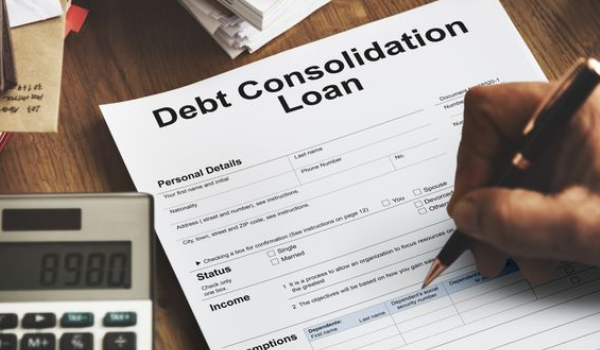
Is Taking a Personal Loan for Debt Consolidation a Smart Move?
Applying for a personal or unsecured loan can be a good option when the loan application helps you reduce your overall repayment burden and helps manage monthly payments. But instead of relying on the convenience, make sure you analyse the cost of borrowing.
Taking a loan for debt consolidation can be a better option:
- When you are paying high interest on your credit card dues, taking a loan at a lower cost may reduce interest payments and help you save a lot.
- Applying for a single loan to pay off other financial obligations can help you manage one structured and predictable payment.
- Lenders usually offer a fixed repayment schedule, which helps you know how much you are required to pay every month and gives a clear understanding.
- Budgeting becomes much easier when you repay just one loan obligation and minimise the chances of missing an EMI.
What Factors Should You Check Before Consolidating Debt?
Before you apply for a personal loan to consolidate your debt, evaluate these factors carefully:
1. Compare Interest Rates
Compare the new loan interest rates offered to you with the rate charged on the existing debts. Consider choosing the new loan only when you are getting new funds at a lower cost than the other costs you are paying.
Make sure to account for the prepayment charges, as they can reduce your savings from debt consolidation.
2. Calculate the Total Repayment Cost
Getting a loan at a lower EMI does not mean it is affordable. A longer repayment period can reduce your EMIs but also increase the interest payable. Hence, it is important that you compare the principal, interest, and other additional costs before you make the final decision.
3. Review Your Monthly Budget
Before taking a new personal loan, make sure you can repay the loan EMI comfortably. For that, it is important to account for all of your recurring expenses, like utility bills, house rent, household expenses, savings, and other financial obligations.
Borrowing more than the amount required to clear existing debts should be avoided, as it can increase your repayment burden.
4. Check Your Credit Profile
When evaluating your loan application and creditworthiness, lenders assess the applicant’s credit score, credit profile, repayment history, income, employment stability, and existing financial obligations. You can get a loan at competitive rates and favourable terms when you have a strong repayment history and score.
Make sure to always check your credit report and look for errors to correct them by raising a dispute with the credit bureau and improving your score.
How Can You Calculate Whether Debt Consolidation Will Save Money?
Here are some of the simple steps that can help you make an informed decision and save money on debt consolidation:
- Note all of your expenses, including monthly payments, outstanding balances, and interest rates.
- The total amount you need to close your debt should be calculated to know the amount to borrow.
- Don’t forget to check the interest rate charged and any additional fees involved.
- Using an online EMI calculator, calculate the estimated EMI you’ll pay.
- Now compare total repayments under both options and choose only the one that saves you money.
What Are the Risks of Debt Consolidation?
Debt consolidation isn’t always the best option; here are some of its drawbacks:
- Multiple additional costs may reduce your savings on interest.
- Choosing a longer tenure can increase your interest payable, and the loan can become costly.
- You can face a debt trap when you continue to use a high-interest credit card after paying the outstanding balance.
- New credit can lead to a hard enquiry, and missed repayments can negatively impact the credit score.
Conclusion
Consolidating multiple debts through a personal loan can be a smart financial move when it reduces borrowing costs, simplifies repayments, and fits your monthly budget. However, compare interest rates, fees, tenure, and total repayment amounts before making a decision. Borrow only what you need and avoid taking on fresh debt once existing balances are cleared.
For borrowers considering a personal loan in Hyderabad, Finnable offers instant loans at competitive rates, flexible repayment tenures, and quick disbursements, subject to eligibility and approval. Its online EMI calculator can help estimate monthly repayments. Finnable also offers a completely free credit score check on its platform, with no hidden fees or impact on your credit rating.
About the Author