Buying a home appliance with a warranty gives customers confidence that certain manufacturing defects or covered problems can be repaired without paying the full repair cost. However, a warranty claim is not automatically approved every time an appliance develops a fault.
A manufacturer or authorised service centre may reject a claim because it believes the problem is outside the warranty terms. Common reasons can include accidental damage, improper installation, physical damage, unauthorised repairs or the warranty period having expired.
If your home appliance warranty claim is rejected, do not panic. A rejection does not necessarily mean that you have no further options. You can review the reason, collect evidence, ask for clarification and escalate the matter if you believe the decision is incorrect.
Understand Why the Warranty Claim Was Rejected
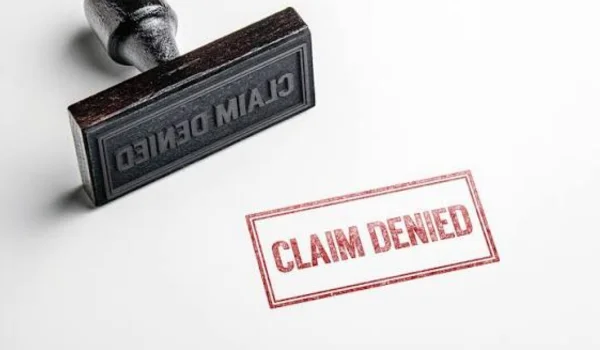
The first step is to find out exactly why the company rejected your claim.
Ask the service centre or manufacturer for a clear explanation.
Common reasons include:
- Warranty period has expired
- Physical or accidental damage
- Improper use
- Incorrect installation
- Voltage fluctuation or electrical damage
- Water or moisture damage
- Pest or external damage
- Unauthorised repair
- Use of non-approved parts
- Missing purchase proof
- Product used for a commercial purpose
- Fault excluded under warranty terms
Do not rely only on a verbal explanation. If possible, request the reason in writing or through the service record.
Read the Warranty Terms Carefully
A warranty document explains what the manufacturer agrees to cover and what it excludes.
Check:
- Warranty duration
- Parts covered
- Labour coverage
- Installation conditions
- Exclusions
- Maintenance requirements
- Service conditions
- Repair or replacement provisions
For example, a product may have a longer warranty for the compressor or motor but a different warranty period for other components.
Understanding these details can help you determine whether the rejection appears reasonable.
Check Your Purchase Date
One of the simplest reasons for a rejected warranty claim is an expired warranty.
Check your:
- Purchase invoice
- Order confirmation
- Warranty card
- Product registration record
Do not rely only on the date you first contacted customer care. The applicable warranty period may be calculated according to the manufacturer’s stated terms.
Keep the Original Invoice
The invoice is often important evidence.
It can establish:
- Purchase date
- Product model
- Seller
- Invoice number
- Product price
If you purchased the appliance online, download and save the electronic invoice.
If the company says that the purchase cannot be verified, provide the available purchase documentation and ask it to reassess the claim.
Check the Appliance Model and Serial Number
Make sure the model and serial number in the service records match your appliance.
An incorrect serial number can sometimes create confusion about:
- Warranty status
- Product identity
- Manufacturing date
- Service history
Take a photograph of the appliance’s identification label and keep it with your documents.
Ask for the Rejection Reason in Writing
If the technician tells you verbally that the warranty does not apply, ask for a written explanation.
You can say:
“Please provide the reason for rejection and mention the relevant warranty condition applicable to this case.”
This creates a clearer record and allows you to understand exactly what the company is relying on.
Ask for the Technician’s Diagnosis
Find out what fault the technician identified.
Ask:
- What part has failed?
- What caused the failure?
- Is the damage physical?
- Is the problem related to installation?
- Is there evidence of electrical damage?
- Which warranty exclusion applies?
A technical explanation can help you decide whether the rejection should be challenged.
Take Photographs and Videos
If the appliance has visible damage or the technician claims that the problem was caused by external factors, document the condition.
Take clear photographs of:
- Appliance body
- Damaged area
- Product label
- Serial number
- Installation
- Wiring, where safe
- Error display
- Leakage
- Any other relevant condition
If the appliance is still operating, a short video showing the fault may also be useful.
Do not open electrical components yourself merely to collect evidence.
Check Whether the Appliance Was Installed Properly
Improper installation is a common warranty issue for certain appliances.
This can be particularly relevant to:
- Air conditioners
- Washing machines
- Refrigerators
- Geysers
- Water purifiers
- Dishwashers
If the manufacturer or authorised installer originally installed the appliance, keep the installation receipt or service record.
This may help if the company claims that the problem resulted from improper installation.
Check Whether an Unauthorised Repair Was Performed
Warranty claims can sometimes be affected if the appliance was previously repaired by an unauthorised technician.
If someone has already opened or repaired the appliance, find out whether the warranty terms contain restrictions regarding third-party repairs.
If the appliance has never been repaired by anyone outside the authorised network, clearly state this when requesting a review.
Request a Warranty Reassessment
If you believe the rejection is incorrect, ask the company to reconsider the claim.
Provide:
- Warranty details
- Purchase invoice
- Service request number
- Rejection reason
- Photographs
- Technician report
- Previous service records
- Any other relevant evidence
Keep your request factual and specific.
Contact a Higher-Level Customer Care Team
If the first service centre refuses the claim, ask whether the matter can be escalated.
Depending on the company, an escalation may involve:
- Senior customer-care representative
- Service manager
- Regional service team
- Grievance department
- Customer relations team
Always provide the original service request number so that the history remains connected to your complaint.
Use a Clear Complaint Format
A written complaint can be structured like this:
Subject: Request for Review of Rejected Warranty Claim
I purchased the appliance on [date]. The product is covered by the applicable warranty.
Product:
[Product name]
Model:
[Model number]
Serial Number:
[Serial number]
Service Request Number:
[Number]
The warranty claim was rejected on the ground that [reason given by company].
I believe the decision requires reconsideration because [brief explanation].
I request you to review the claim and provide the applicable warranty condition supporting the rejection.
Please provide a written response and the next steps for resolution.
Ask for the Specific Warranty Exclusion
If the company says the problem is “not covered,” ask which specific exclusion applies.
For example:
“Please identify the specific warranty clause under which this claim has been rejected.”
This is more useful than simply arguing that the product should be covered.
It also helps you determine whether the rejection is based on an actual warranty condition.
Check Whether the Rejection Is Based on an Incorrect Fact
Sometimes a claim may be rejected because the service record contains incorrect information.
For example:
- Incorrect purchase date
- Wrong model number
- Incorrect serial number
- Wrong installation status
- Incorrect description of damage
If you identify an error, provide documents proving the correct information and request a review.
What If the Company Says There Is Physical Damage?
Physical damage can be an important warranty exclusion.
If the company claims that the fault resulted from physical damage, ask:
- What damage was identified?
- How did it allegedly cause the fault?
- Is the damage documented?
- Is there a technician report?
- Which warranty clause excludes it?
Photographs taken before the damage occurred, if available, can also be relevant.
What If the Company Blames Voltage Fluctuation?
Electrical damage may be excluded under certain warranty terms.
If the company claims that voltage fluctuation caused the fault, ask for the technical basis for that conclusion.
You can request:
- Diagnosis report
- Fault description
- Relevant service notes
- Explanation of the claimed cause
Do not make unsupported technical arguments. If the issue is disputed, a qualified technician’s independent assessment may sometimes help.
Consider an Independent Technical Opinion
If a valuable appliance has a serious fault and the warranty rejection is disputed, you may consider obtaining an opinion from a qualified technician.
Ask for a written assessment explaining:
- Fault identified
- Likely cause
- Condition of the appliance
- Parts affected
However, before allowing another technician to open the appliance, consider whether doing so could affect the manufacturer’s warranty position under its terms.
Do Not Immediately Pay for the Repair
If you believe the warranty claim was wrongly rejected, do not automatically approve a costly repair.
First ask:
- Why was the claim rejected?
- What is the repair cost?
- Which part needs replacement?
- Is the rejection being reviewed?
- Can the repair be placed on hold?
For expensive appliances, this can be especially important.
Ask for a Repair Estimate
If you decide to proceed with a paid repair, request an estimate.
The estimate should ideally show:
| Charge | Details |
| Inspection | Applicable visit or diagnosis fee |
| Spare part | Name and price |
| Labour | Repair cost |
| Taxes | Applicable taxes |
| Other charges | Any additional cost |
| Total | Estimated amount |
This helps you compare the repair cost with the value and age of the appliance.
Check Whether an Extended Warranty Exists
Some customers purchase an extended warranty or protection plan separately.
Check:
- Extended warranty document
- Retailer protection plan
- Credit-card protection, if applicable
- Service contract
- Other applicable coverage
A manufacturer’s standard warranty may have expired while another service plan is still active.
What If the Appliance Was Purchased From a Retailer?
Depending on the circumstances, the seller may also have responsibilities relating to the transaction.
Keep:
- Invoice
- Order confirmation
- Seller communication
- Delivery records
- Installation records
- Warranty documents
If the issue concerns a product defect, misleading representation or service deficiency, consider the appropriate consumer remedy based on the facts and applicable law.
Consider a Consumer Complaint
If you genuinely believe that a valid warranty claim has been unfairly rejected and normal escalation does not resolve the issue, you may consider using the appropriate consumer dispute redressal mechanism.
Before taking this step, organise:
- Purchase invoice
- Warranty terms
- Service request
- Rejection communication
- Technician report
- Photographs
- Emails and messages
- Repair estimates
- Escalation records
A well-organised record can make it easier to explain the dispute.
Avoid Abusive or Threatening Communication
Even when you are frustrated, keep your complaint professional.
Avoid:
- Personal threats
- Abusive language
- False allegations
- Repeated calls without useful information
- Public accusations without evidence
A clear written record is generally more useful than an emotional argument.
Beware of Fake Warranty Representatives
Be cautious if someone contacts you claiming that they can “unlock” or “approve” your warranty for a fee.
Warning signs include:
- Request for OTP
- UPI PIN request
- Password request
- Unusual payment demand
- Pressure to act immediately
- Unknown payment account
- Request for remote access to your phone or computer
Verify the communication through the manufacturer’s recognised customer-care channel.
Keep a Complete Complaint Record
Create a simple record of your warranty dispute.
| Date | Action | Details |
| 5 August | Complaint raised | Appliance stopped working |
| 7 August | Technician visit | Fault diagnosed |
| 7 August | Claim rejected | Company cited exclusion |
| 8 August | Reassessment requested | Documents submitted |
| 12 August | Escalation | Complaint sent to senior team |
This timeline can be useful if the matter continues.
Common Mistakes to Avoid
Accepting a Verbal Rejection
Ask for the reason in writing.
Losing the Invoice
Keep purchase and warranty documents safely.
Ignoring the Warranty Terms
Read the relevant coverage and exclusions.
Immediately Hiring an Unauthorised Technician
This could create additional warranty complications.
Approving Expensive Repairs Without an Estimate
Get a clear breakdown first.
Making Unsupported Claims
Focus on documents and facts.
Sharing OTP or Banking Information
Never share sensitive financial credentials with a service representative.
Common Questions
Why can a home appliance warranty claim be rejected?
A claim may be rejected because the warranty has expired, the problem is excluded, the appliance has physical damage, installation was improper, an unauthorised repair was performed or another warranty condition is not satisfied.
Can I challenge a rejected warranty claim?
Yes. If you believe the rejection is incorrect, ask for the reason in writing, review the warranty terms, submit supporting evidence and request reassessment or escalation.
What documents should I keep?
Keep the purchase invoice, warranty document, service request number, technician report, rejection communication, photographs, repair estimates and previous correspondence.
Should I get the appliance repaired after the warranty claim is rejected?
Not immediately if you intend to challenge the rejection. First understand why the claim was rejected and whether the company will review it. If you proceed with another repair, consider whether it could affect any remaining warranty rights.
What can I do if the company refuses to reconsider the claim?
You can use the company’s escalation or grievance process and, where appropriate, consider the available consumer dispute redressal options.
Final Words
A rejected home appliance warranty claim does not necessarily mean that the matter is finished. Start by finding out why the warranty claim was rejected and ask the company to provide the reason and relevant warranty condition.
Check your invoice, warranty terms, service records and technician’s diagnosis. If you believe the rejection is based on incorrect information or an improper interpretation of the warranty, submit evidence and request reassessment.
If normal customer care does not help, escalate the matter through the company’s appropriate grievance process. For a significant dispute, you may also consider the applicable consumer remedy.
Most importantly, keep written records, avoid unnecessary repairs while the claim is being reviewed and never share sensitive banking information with people claiming to represent the appliance company.
About the Author